Yeastrodomus: Beer Predictions for 2026
Less noise. More intention.
After a decade defined by expansion, maximalism, and constant releases, the craft beer industry is entering a more deliberate phase.
Breweries are operating in a tighter economic environment. Drinkers are more selective. And beer now exists within a broader cultural context shaped by hospitality, food, and how people choose to spend their time and money.
In 2026, we see a shift away from spectacle and toward execution, experience, and coherence. These are the forces shaping the next chapter of craft beer.
Better Over New
For years, novelty stood in for relevance. New styles, new adjuncts, and louder ideas often won attention simply by being different.
That equation is changing.
Breweries are increasingly competing on quality rather than reinvention. Ingredients matter. Process discipline matters. Consistency matters. The beers that earn loyalty are the ones that deliver the same high standard, repeatedly.

Many pizza places can sell you a crispy, cheesy slice. But the best quality rises to the top and wins in the market. This observation rings true for beer categories where consistency and quality create a competitive advantage.
This mirrors what we’re seeing across food culture. NYC-style pizza didn’t become dominant everywhere because it was new, it won because it was repeatable, process-driven, and obsessively refined. The same logic applies to lager brewing, where small gains in fermentation control, raw materials, and cold-side handling separate average beer from exceptional beer.
Mastery is back in fashion.
The Experience Economy Returns
Overall alcohol consumption continues to decline. That does not mean people have stopped going out.
What’s changed is why they go out.
Taprooms that feel intentional, welcoming, and comfortable consistently outperform those chasing attention through constant releases. Beer is no longer the sole focus of the evening. It supports a broader experience built around conversation, food and atmosphere (or, as the kids say, "vibes").
In this context, breweries are hospitality businesses first. Seating, lighting, music, staff engagement, and flow matter as much as what is in the glass. Restaurants have understood this for decades. Breweries that borrow from that playbook stand to gain.
Events, too, are changing to reflect consumer behaviours. Trivia night and karaoke may be on the way out, in favour of book fairs, vintage swaps, and farmer's markets.
Toronto's Left Field hosts a semi-regular 'Books and Brews', positioned as a book fair for adults
Gen Z is now fully entering the legal drinking market. Consumption among Gen Z is increasing, but differently. Beer may be part of the occasion, not the reason for it. Breweries that fit naturally into the social landscape of younger generations and meet them where they are at in terms of cost, vibe, and value will be the ones that succeed with the Gen Z market.
Fruit Beers, Without the Sour Frame
For years, fruit-forward beer became synonymous with acidity and smoothie-style intensity. That association is loosening.
We expect fruited beer to move back into clean fermentation contexts: lagers, wheat beers, and restrained ales where fruit plays a supporting role rather than defining the structure of the beer.
Field House's Salted Lime Mexican Lager is a good example of this trend
This reflects growing fatigue with overload. Balance is back in focus. Fruit has a place as a gateway for craft beer newcomers to explore familiar flavours. Even if someone thinks they don't like beer, they may be swayed by a raspberry-flavoured wheat beer - how 90s!
For brewers, this opens the door to more nuanced fermentation choices and longer-term drinkability, especially in styles designed for repeat consumption.
Pasteurization Enters the Craft Conversation
Pasteurization was once viewed as fundamentally incompatible with craft values.
That stigma is fading.
Shelf life, microbial stability, and distribution resilience matter more in a competitive market. Brewers are reassessing long-held assumptions as they balance quality, waste reduction, and business sustainability.
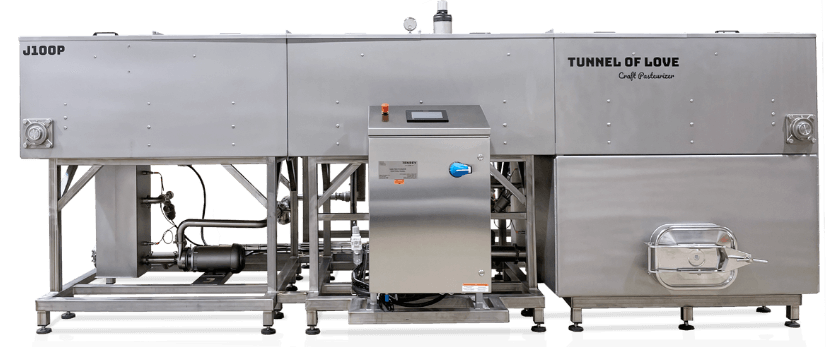
Smaller models bring pasteurization capabilities to small breweries
The definition of craft is shifting away from rigid process rules and toward intentional quality outcomes. When done right, pasteurization is becoming a tool rather than a compromise, especially for lighter lagers, non-alcoholic beers, and other high-risk products where consistency matters most.
When applied thoughtfully, pasteurization is becoming part of a broader toolkit for craft breweries. Even the cool kids are installing pasteurizers.
The Rise of In-House Staff Brands
We’re seeing more breweries incubate side brands developed by internal teams.
The drivers are practical. Talented brewers want creative outlets without the capital risk of launching independent projects or businesses. In-house brands allow ideas to be tested using existing infrastructure, without new facilities or external contracts.
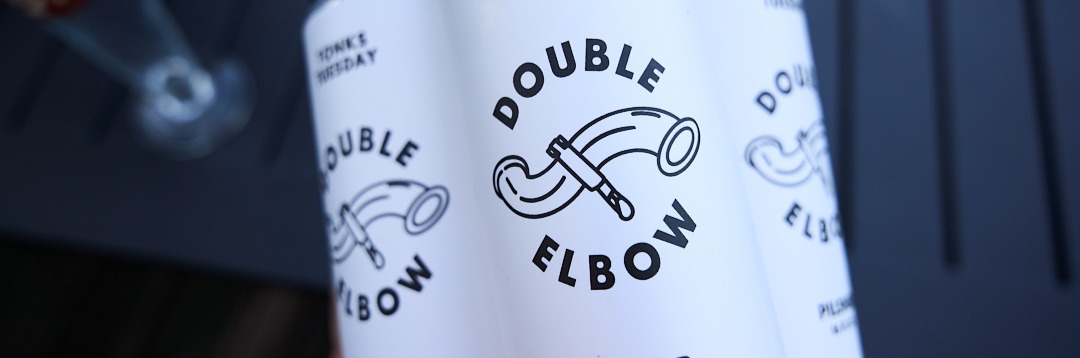 Coolest industry-niche brewery logo?
Examples like Double Elbow in Minnesota or Keeping Together’s evolution from Chicago to New Mexico show how these projects can grow organically while staying rooted in existing infrastructure.
Celebrities, Animals, and Visual Language
Celebrity drinks continue to release at breakneck pace, with varying degrees of success. The successful ones are becoming more deliberate. The projects that succeed feel like brand extensions, not novelties. They’re better integrated into existing narratives rather than existing purely for attention.
At the same time, we see animal-themed beers resurging - how 90s! Bears, ducks, fish, and mascots are visually legible, playful, and effective in crowded retail environments. They communicate quickly and emotionally, which is something abstract or minimalist branding often struggles to do.

You thought we would make a trend predicitons post without shouting out Burdock? Congrats team Burdock, you're in here for like 4 years in a row.
Some breweries, like Burdock, have long understood the power of consistent visual language. Others are rediscovering it as shelf competition intensifies.
Genre-Less Beer
Beer is increasingly following the path of music, art, and fashion, where genres are blending together and less defined by specific categories.
Drinkers who enjoy genre-bending music, movies, and TV shows are comfortable with beer that resists easy classification. They don’t need strict style labels to understand or enjoy what’s in the glass.
We've been predicting hybrid beverages for years, and will continue to do so!
English Pub Beer and Vibes
Why English pub culture, and why now?
Lower alcohol. Sessionability. Warm hospitality. Familiar faces. A sense of routine and belonging.
English pub aesthetics align closely with what many consumers are actively seeking: comfort, community, and places that feel lived-in.
We are predicting greater interest in both the "vibe" of English brewing culture, as well as the actual styles. On the yeast side, we are starting to see an increasing number of request for niche/highly specific English brewing strains, and expect this to translate to taprooms.

Machine House Brewery in Seattle. The empty glass says it all about cask's drinkability.
In the US, you can look to Machine House and others for inspiration. We think Canada might be ahead of the curve on this one - Major Canadian cities already have spaces (new and old) that fit this mold, including Stillwell Freehouse (Halifax), Granite Brewing (Toronto), and Isle De Garde (Montreal).
Looking Ahead
The through-line for 2026 is clear: Less spectacle. More intention.
Breweries that succeed will focus on consistency, hospitality, and coherence across process, marketing, and the customer experience.
🎧 Want to hear the full conversation?
The complete Yeastrodomus: Beer Predictions for 2026 episode dives deeper into these ideas, with examples and details you won’t find on the page.
📩 Planning for 2026 already?
Reach out to the Escarpment Labs team to talk through your fermentation strategy, process goals, and long-term plans. Whether you’re refining execution or building something exceptional, we’re here to help.